The Definitive Guide

Wild vs Farmed Salmon: What is the Difference

Discover the crucial differences in taste, nutrition, and environmental impact between wild-caught and farm-raised salmon. Make an informed choice for your health and the planet.
Taste the Difference
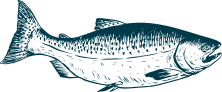
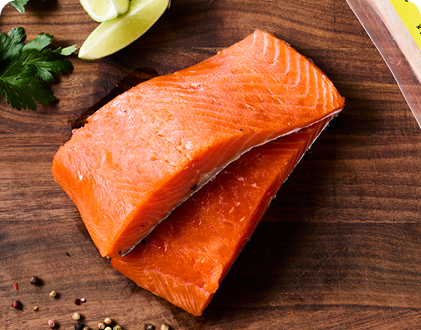
wild-Caught
Clean  • Natural
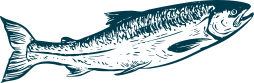
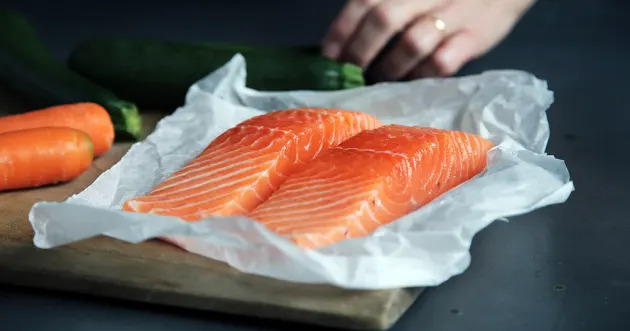
farmed
Synthetic dyes  • Additives
Taste the Difference

Wild vs. Farmed Nutritional Differences

The nutritional differences between wild and farmed salmon are driven by how the fish live, what they eat, and how they grow. Wild salmon develop in natural ocean and river ecosystems, feeding on a diverse diet that supports lean protein density and naturally occurring omega-3 fatty acids.

Farmed salmon, by contrast, are raised in controlled aquaculture systems and rely on formulated feed, which can influence fat content, omega-3 composition, and overall nutritional balance. These differences in diet, habitat, and lifecycle shape key nutritional factors such as protein levels, fatty acid profiles, and calorie density, making nutrition one of the clearest areas where wild and farmed salmon diverge.
Omega-3 Fatty Acid
Wild salmon is known for its EPA and DHA content, sourced from its natural diet of zooplankton, krill, and shrimp. These long-chain omega-3s are essential for brain health, heart function, and managing inflammation throughout the body.
Protein Quality
The active migration patterns of wild salmon build lean muscle mass, resulting in higher protein content per serving with less fat compared to their sedentary farmed counterparts.
Vitamins & Minerals
Wild salmon is rich in vitamin D, selenium, and astaxanthin—a powerful natural antioxidant that gives the fish its vibrant red color and has been linked to anti-aging and anti-inflammatory properties.
Nutritional comparison
Omega-3 (EPA/DHA)
Higher in wild
Wild
1.6g
Farmed
1g
Protein
More protein
Wild
25g
Farmed
20g
Omega-6
Less in wild
Wild
0.3g
Farmed
1.5g
Saturated Fat
Less in wild
Wild
1g
Farmed
3g
*Values are approximate and may vary by species and preparation method
**Source: Compiled and approximated from USDA nutrient data and published scientific reviews.**

Flavor and Texture Comparison

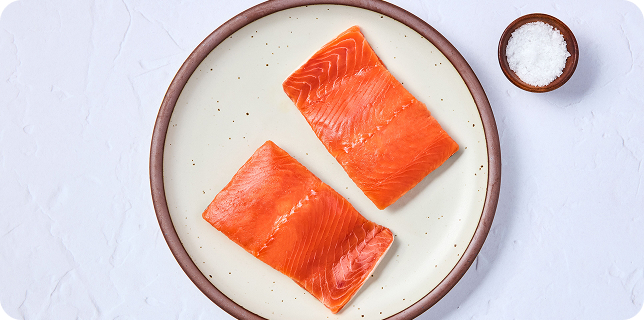
A side-by-side comparison highlights the difference in fat content. Farmed salmon is known for its thick fat lines, while wild salmon is naturally leaner with a deeper, more consistent color. As a result, wild salmon has a very different texture and flavor profile than farmed salmon — a dramatically different culinary experience.
Attribute
Wild
Farmed
Flavor Profile
Richer, more complex
Bland, fatty
Texture
Firm, lean flake
Soft, higher fat content
Eating Experience
Light, satisfying
Oily, heavy

What qualifies as wild or farmed salmon

Salmon is usually identified as wild or farmed based on where it lives and how it’s sourced. Wild salmon grows and feeds in natural ocean and river ecosystems, while farmed salmon is raised in controlled aquaculture systems within managed farming operations.
Wild Alaskan salmon
Start in rivers and streams
Migrate to the ocean
Feed on a natural diet of plankton, krill, and smaller fish
Harvested from natural environments
Farmed salmon
Raised in high-density aquaculture pens
Fed formulated pellets
Color, fat level, and taste influenced by feed with additives
Industrial production methods

Appearance and Color

One of the most visible differences between wild and farmed salmon is the color and overall appearance of the fillet. Wild salmon develop their color naturally through a diet that includes krill and other marine organisms rich in carotenoids, resulting in deeper, more varied shades that can range from light red to dark orange depending on the species and season.

Farmed salmon, on the other hand, are raised on formulated feed, and their color is influenced by feed composition and controlled growing conditions. These differences in diet and environment affect not only color intensity but also consistency, fat distribution, and the visual texture of the fillet, making appearance one of the easiest ways to distinguish between wild-caught and farm-raised salmon.
Wild salmon
Natural, Vibrant Color
Deep red-orange hue — comes naturally from astaxanthin in krill and shrimp consumed in the wild
Sockeye salmon has the deepest red color of any wild salmon species
Natural Astaxanthin — astaxanthin from its wild diet influences color and is a powerful antioxidant
FARMED SALMON
Artificially Enhanced Color
Naturally gray flesh — without additives, farmed salmon would have an unappetizing gray color
Synthetic astaxanthin added to feed creates artificial pink/orange coloring
Color indicates formulation — Producers use a "SalmoFan™" color chart to determine the exact shade of pink to be achieved through specialized feed.
Did you know? Farmed salmon producers spend up to 20% of feed costs on synthetic coloring pigments.
Source: ScienceDirect, Ref: S0044848606004911

Cost, Value, and What You Pay For

Yes, wild salmon typically costs more than farmed salmon. But when you understand what goes into each fish — the pristine waters, the natural diet, the sustainable practices — you'll see it's not just salmon. It's an investment in your health and our planet.
Premium Pricing
Wild salmon reflects the true cost of sustainable fishing and natural, unpolluted ecosystems.
Health Value
Higher omega-3s, fewer contaminants, and no antibiotics make every serving better for you.
Superior Taste
Chefs worldwide prefer wild salmon for its complex flavor and firm, satisfying texture.
Ethical Choice
Support sustainable fisheries that protect wild salmon runs for future generations.

Environment, Sustainability & Safety

The way salmon is sourced has a direct impact on ocean ecosystems, surrounding waterways, and the long-term sustainability of seafood as a resource. Wild salmon fisheries in Alaska are managed through strict catch limits and conservation practices mandated by the state constitution, designed to protect fish populations and their habitats. In contrast, farmed salmon is produced in aquaculture systems that require ongoing management of water quality, waste, and environmental impact.

These differences in sourcing shape sustainability and safety considerations when comparing farm-raised salmon to wild-caught Alaskan salmon.
Environmental & Sustainability Factors
Wild-Caught
Alaskan fisheries are sustainably managed with strict catch quotas and other regulations
Minimal environmental impact
Supports biodiversity and healthy ocean food chains
Well-managed wild fisheries ensure long-term sustainability
Farm-Raised
Concentrated waste pollutes surrounding waters
Escaped fish are a serious environmental concern
Wild, forage fish often used in feed — contributes to the depletion of wild populations
Sea lice infestations threaten nearby wild salmon
Contaminants, Additives & Safety
Studies consistently show that farmed salmon contains higher levels of contaminants due to the concentrated nature of aquaculture and the feed used.
Attribute
Wild
Farmed
PCBs
Low
5-10x Higher
Dioxins
Minimal
Higher
Antibiotics
None
Used in crowded pens
Pesticides
None
Used for sea lice
Heavy Metals
Very Low
Variable
*Values are approximate and may vary by species and preparation method
**Source: Compiled and approximated from USDA nutrient data and published scientific reviews.**

How to choose Alaskan Salmon

A simple buying guide to choosing genuine wild Alaskan salmon, with four practical checks to help you identify quality, sourcing, and authenticity before you buy.
Check the Label
Look for “Wild-Caught” and the specific species. Avoid 'Atlantic salmon,' which is almost always farmed.
Minimal Ecosystem Impact.
Inspect the Color
Wild salmon colors range from vibrant red to pale pink. You should see a diversity of shades based on the variety of species.
Sockeye = deepest red, King = rich orange.
Alaska Means Wild
You can trust that any fish from Alaska is wild-caught - it’s even written into the state constitution.
If it says Alaska, it's wild.
Trust Your Source
Buy from reputable fishmongers and trusted sources like Wild Alaskan Company.
Check third party reviews
Still unsure? We've made it easy. Every product from Wild Alaskan is 100% wild-caught from sustainable Alaskan fisheries.
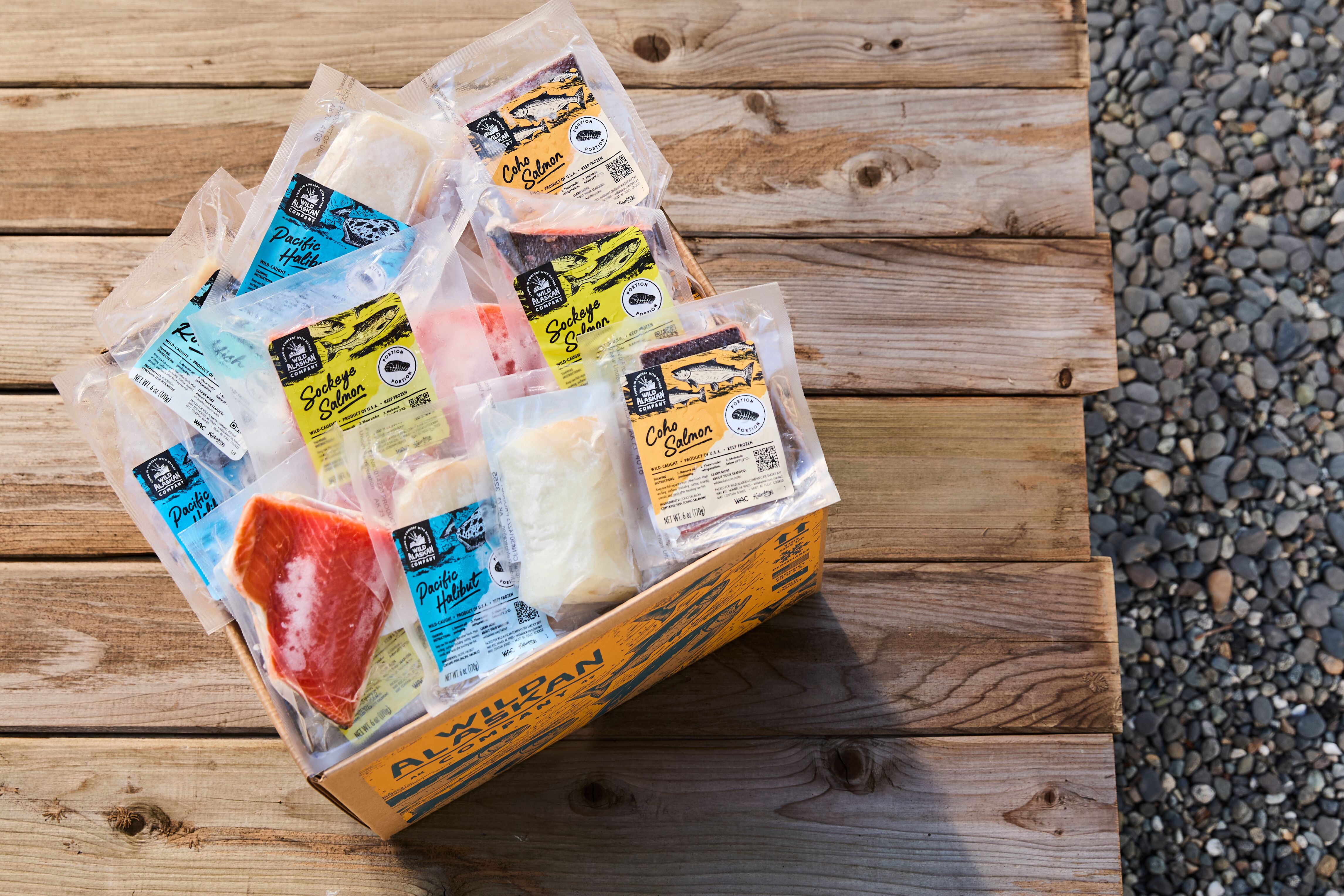
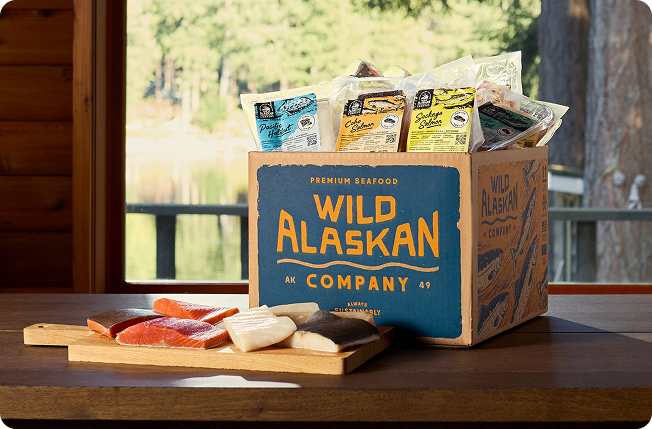
See What is in the Box

Why Wild Alaskan Salmon is the Better Choice

We believe wild salmon is the most time-honored, flavorful, and nutritious type of salmon you can buy. Our sourcing approach follows a simple idea. Value begins with the environment where the fish lives.
Sourced from sustainable Alaskan fisheries
Never farmed
No antibiotics, colorants, or additives
CHOOSE MY BOX

Frequently Asked Questions

Everything you need to know about wild vs farmed salmon
Which is healthier, farmed or wild salmon?
Wild salmon is naturally higher in lean protein and balanced omega 3s. Farmed salmon nutrition can vary based on feed and farming practices.
How to tell if salmon is wild or farm raised?
Look at the Fat Lines: Wild salmon is leaner, so fat lines will be less prominent. Farmed salmon often has thick, wide bands of fat and a "stripey" appearance.
Why does farmed salmon look different?
Farmed salmon receives added pigments in its feed to replicate the color of wild salmon, but often has a dull, pale appearance. Wild salmon gets its color naturally from its diet. Farmed salmon’s higher fat content creates visible white fat lines.
Is farmed salmon safe to eat?
Farmed salmon safety depends on country of origin, farming practices, and feed quality. Standards vary widely.
Which has less mercury, wild or farmed salmon?
All fish contain trace levels of mercury. Wild salmon contains lower levels compared to many other fish due to its short lifespan and natural diet.
Why is wild salmon sometimes more expensive?
Wild Alaskan salmon costs more because it’s harvested the hard way — and the right way. Unlike farmed fish, wild salmon can only be caught during short, tightly regulated seasons designed to protect salmon populations and their habitats.
Is Atlantic salmon wild?
Almost all Atlantic salmon found in stores is farmed.

Taste the Difference Yourself

Join thousands who've switched to wild Alaskan salmon and taste the difference in every bite. Premium quality, delivered to your door.
Choose My Box