





The Definitive Guide to Alaskan White Fish

Discover the perfect white fish for your table. Learn the subtle differences in flavor, texture, and cooking methods that make each species unique.
Understanding White Fish

What Makes Alaskan White Fish Special?

White fish from Alaska's cold, nutrient-rich waters are some of the cleanest, most versatile seafood you can put on your table. They offer a diverse range of flavors and textures well suited for anything from weeknight dinners to elevated meals.
Versatile Delicate Flavors
Alaskan white fish offers a clean, subtle taste that pairs beautifully with any seasoning or sauce.
Wild-Caught Excellence
Sustainably sourced from the pristine, icy waters of Alaska—never farmed, always wild and natural.
Pristine Cold Waters
The frigid Alaskan waters produce fish with firm, flavorful flesh and a naturally clean taste.
Sustainably Sourced
Alaska leads the world in sustainable fisheries management, supporting abundant harvests while protecting marine ecosystems. Every species is carefully monitored to ensure healthy populations thrive.
Species Showcase

types of Alaskan white Fish

Each species brings its own character to the table. Discover which one is perfect for your next meal.
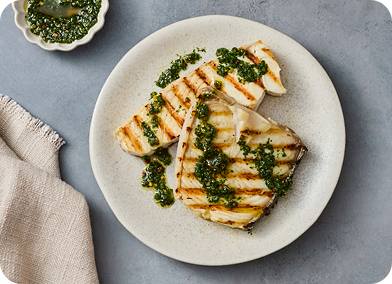
Grilled Pacific halibut
Pacific Halibut
The crown jewel of Alaskan white fish. Halibut’s firm, steak-like texture and sweet, clean flavor make it a premium choice for elegant preparations and gourmet home cooking alike.
Flavor
Mild & Sweet
texture
Firm & Meaty
flake
Large
Best Cooking Methods
Grilling
Pan-Searing
Roasting
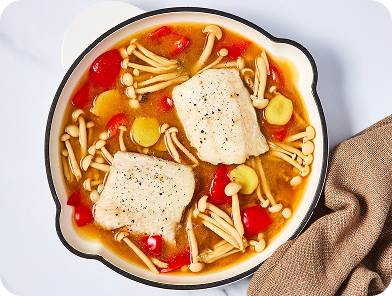
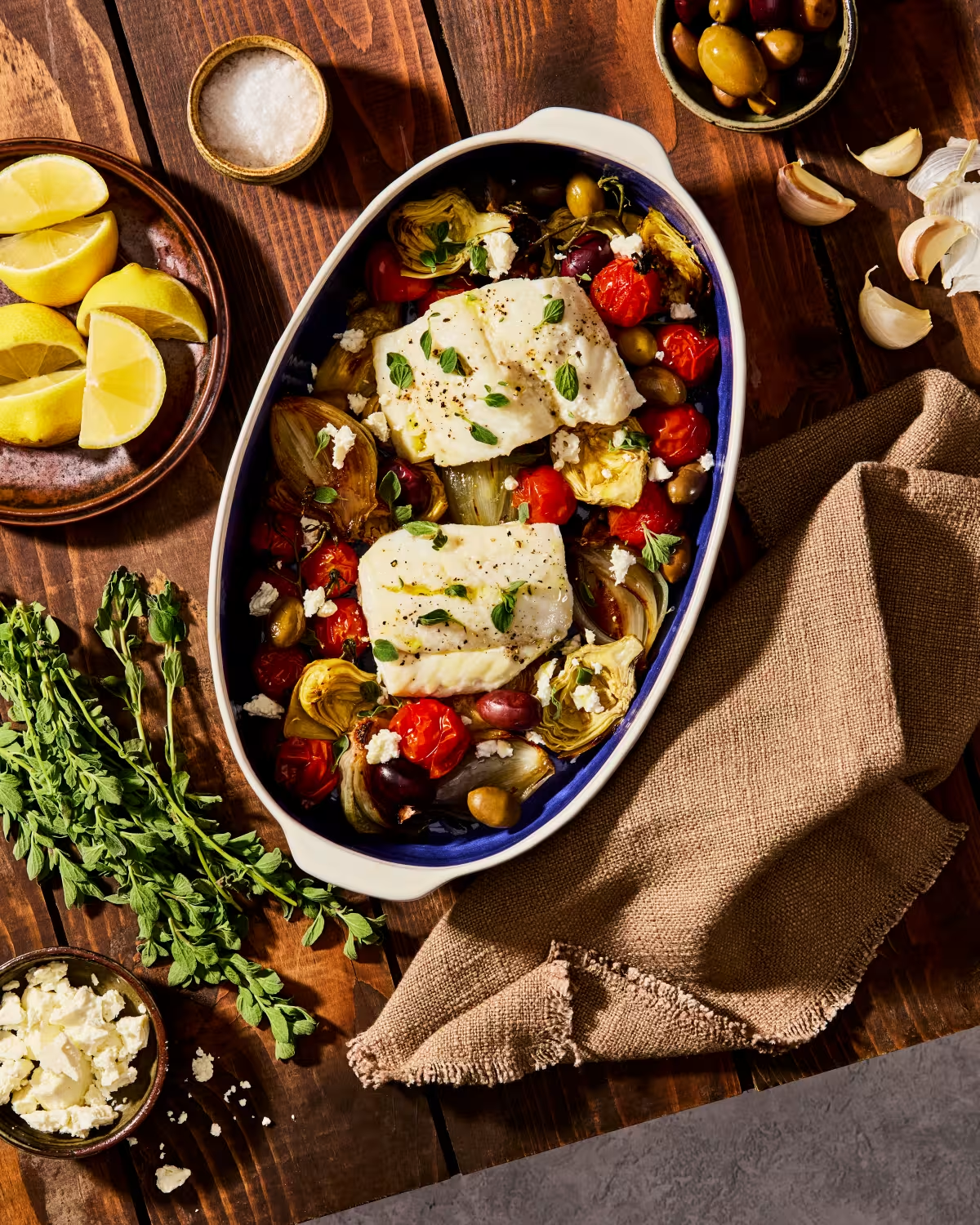
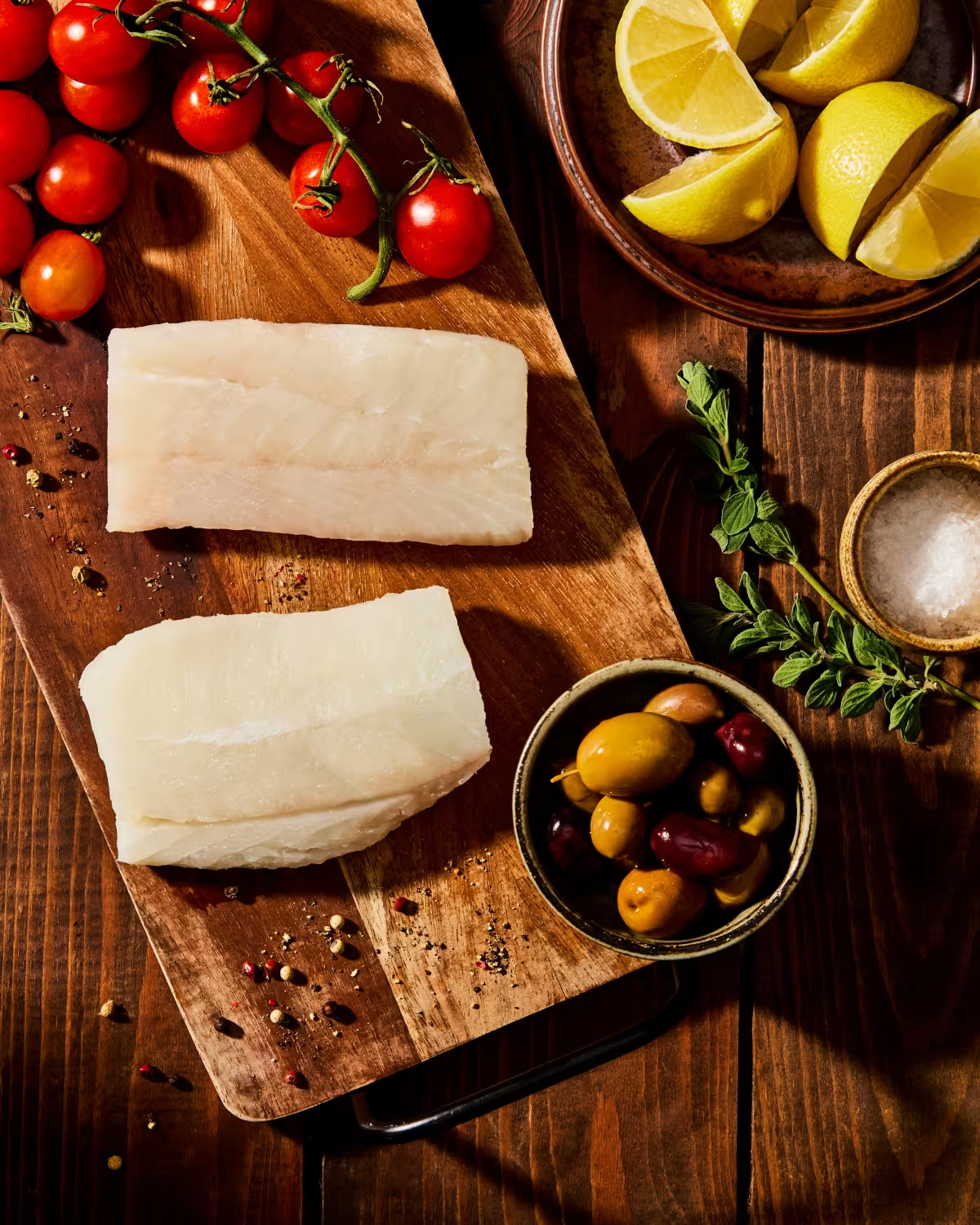
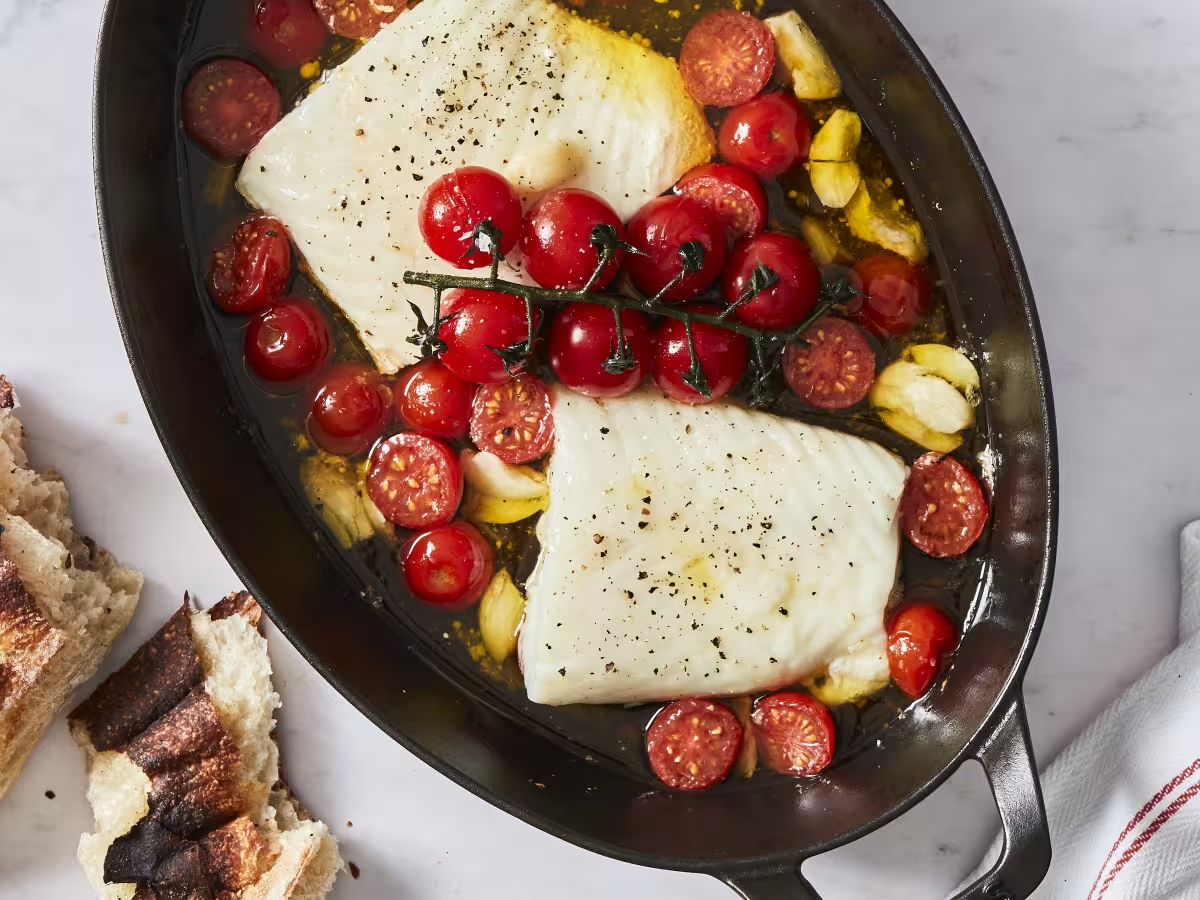
Pacific cod with tomatoes
Pacific Cod
A beloved classic with delicate, snow-white flesh. Pacific cod is incredibly versatile, holding up beautifully to various cooking methods while remaining moist.
Flavor
Mild & Clean
texture
Tender & Flaky
flake
Medium
Best Cooking Methods
Baking
Fish & Chips
Soups & Stews
Wild Alaska pollock fillets
Wild Alaska Pollock
Alaska's most abundant white fish offers exceptional value without compromising quality. Its mild flavor makes it perfect for everyday family meals.
Flavor
Light & Subtle
texture
Delicate & Soft
flake
Fine
Best Cooking Methods
Broiling
Fish Tacos
Baking
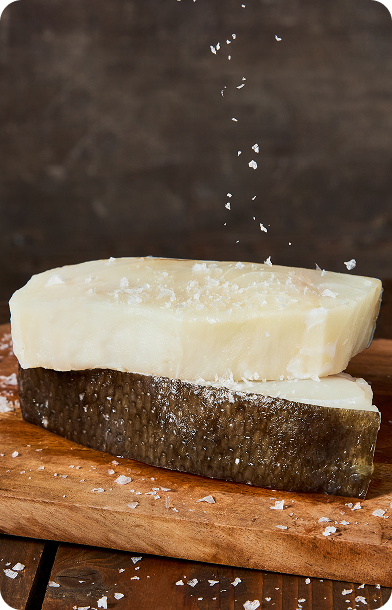
Olive oil poached halibut

Alaskan Pacific Halibut

The crown jewel of Alaskan white fish. Halibut delivers a mild, clean flavor with a firm, meaty texture that holds up beautifully to high-heat cooking methods.
Mild, Clean Flavor
Subtle sweetness with no fishy taste—perfect for those new to seafood.
Firm, Meaty Texture
Large, satisfying flakes that won't fall apart on the grill or in the pan.
Best For
Grilling, roasting, and pan searing. The premium choice for special occasions.
Wild Caught
Sustainably harvested from the pristine waters of Alaska.
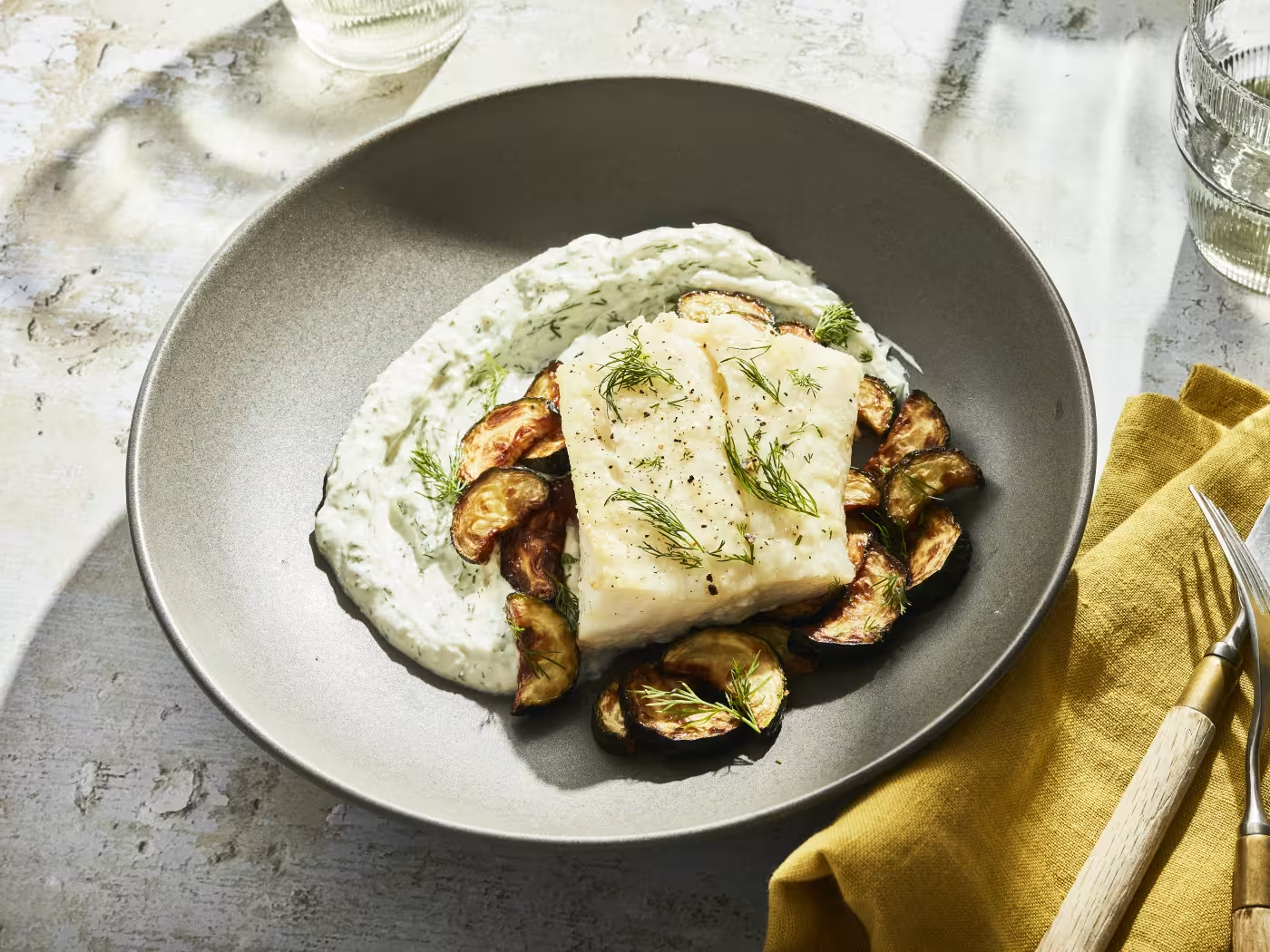
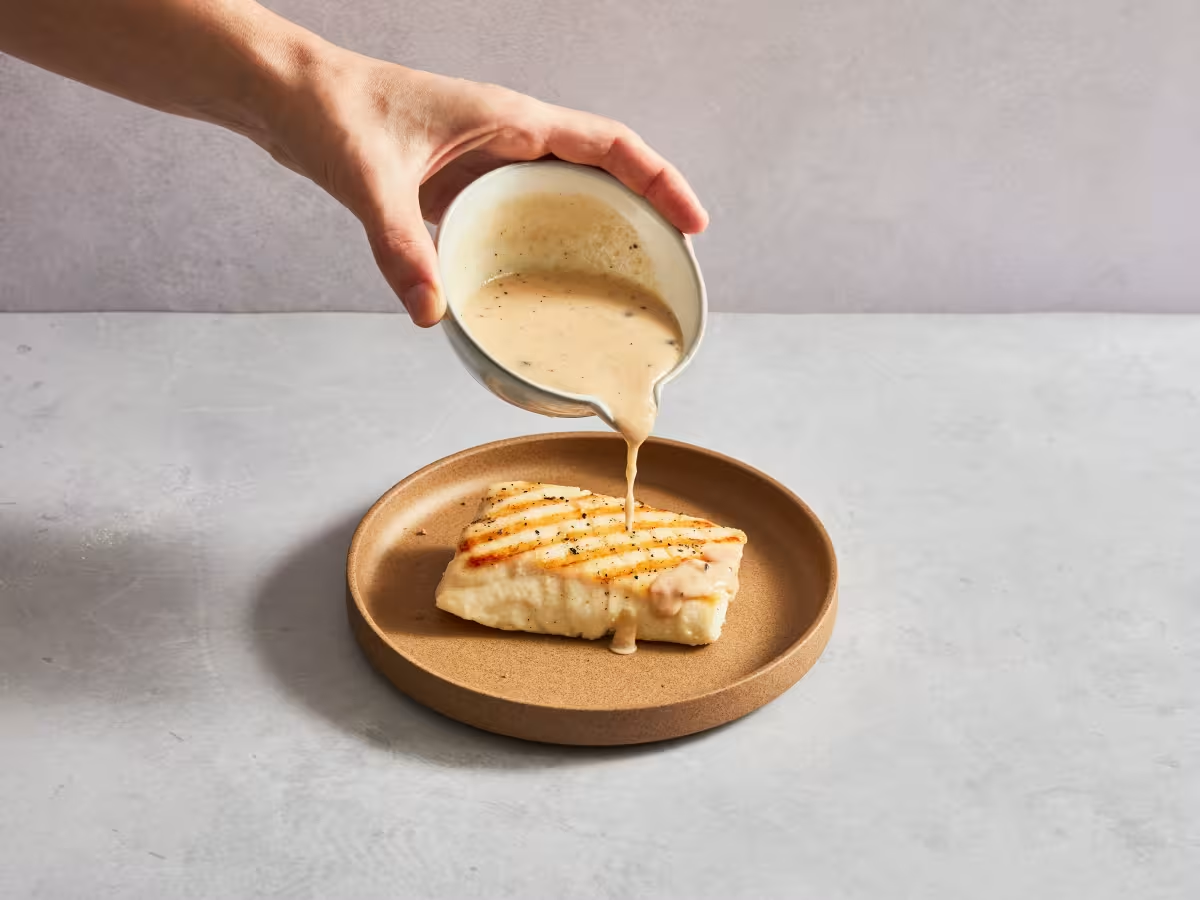
Seared Pacific cod with whipped feta

Alaskan Pacific Cod

The everyday hero of Alaskan white fish. Pacific Cod offers incredible versatility with its light, flaky texture and mild, slightly sweet flavor that works in almost any dish.
Tender, Flaky Texture
Medium flakes which helps it hold its shape in preparations like fish and chips, stews, and baked dishes.
Mild, Slightly Sweet
A subtle sweetness that pairs beautifully with any seasoning or sauce.
Incredibly Versatile
From fish tacos to baked dinners—cod adapts to any cuisine or cooking style.
Best For
Everyday meals, simple preparations, baking, and light sautés.
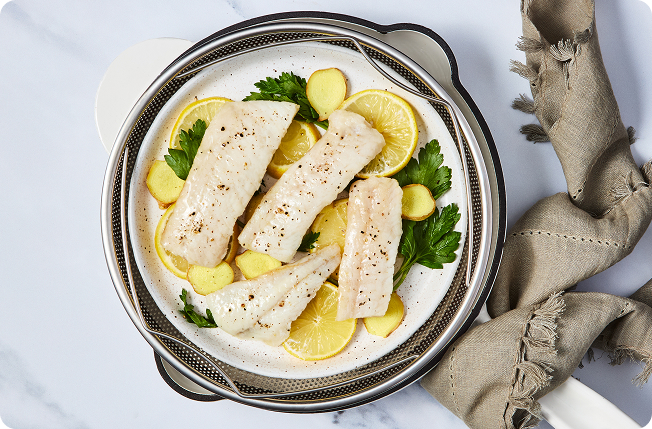
Pollock with lemon

wild Alaska Pollock

A versatile, sustainable mild white fish with a light, delicate flavor—perfect for picky eaters and easy to use in a wide variety of recipes.
Delicate Flavor
The mildest of Alaskan white fish—a blank canvas for your favorite flavors.
Softer, Tender Texture
Smaller flakes with a tender bite—ideal for soups, stews, and fish cakes.
Lean Protein
A lean, protein-rich choice for health-conscious meals.
Best For
Soups, chowders, fish cakes, tacos, and family-friendly weeknight meals.
Worth Knowing

Other Alaskan White Fish

Alaska offers a variety of exceptional white fish species worth exploring for their unique characteristics.
Sablefish
Also known as Black Cod
Rich, buttery flavor with silky texture. The most luxurious of Alaskan white fish.
Texture
Silky, velvety
Best For
Roasting, smoking, miso-glazed preparations
Highlight
Rich, buttery flavor
Rockfish
Mild and slightly nutty. A versatile option suited for bold preparations.
Texture
Medium-firm, fine flakes
Best For
Pan frying, steaming, fish tacos
Highlight
Robustly flavored
Side by Side

Compare At a Glance

See how each species stacks up across key characteristics to find your ideal match.
Fish
Flavor & Texture
Best For / Cooking Uses
Wild Alaska Pollock
Mild, tender, flaky
Quick sautés, fish tacos, fish sticks, stir-fries.
Pacific Cod
Mild, subtly sweet, firm flakes
Baking, broiling, pan-frying, chowders.
Pacific Halibut
Mild, subtly sweet, firm. Large flakes.
Grilling, searing, roasting, elevated dishes.
Sablefish
Rich, silky, high natural oil
Roasting, smoking, pan-searing, "melt-in-your-mouth".
Rockfish
Mild, slightly nutty, medium-firm
Baking, broiling, pan-searing, versatile family meals.
Lingcod
Flaky, mildly sweet, firm
Grilling, baking, pan-frying, stews, tacos.
Choose by Dish

Which fish to use

Let your recipe guide your choice. Here's our expert recommendation for each cooking style.
Grilling & High Heat
When you need fish that won't fall apart on the grill
Our Pick
Pacific Halibut
Its firm, meaty texture holds up perfectly to high heat and grill marks.
Soups & Chowders
Fish that melts into hearty comfort food
Our Pick
Wild Alaska Pollock
Delicate texture breaks down nicely while adding subtle seafood flavor.
Roasting & Baking
For oven-baked dishes that stay moist and flaky
Our Pick
Pacific Cod
Tender flesh that stays moist in the oven while developing beautiful flakes.
Our Commitment

Sustainability & Sourcing in Alaska

Alaska sets the gold standard for sustainable seafood. Here's how the state ensures wild fish remain abundant for generations to come.
Alaska's Fisheries Management
Alaska's constitution mandates sustainable fisheries. State and federal regulations ensure fish populations remain healthy for generations.
Wild Catch Standards
All Alaskan white fish is wild-caught using responsible methods. No fish farms, no antibiotics, no artificial feeds—just pure, wild fish.
The Wild Alaskan Difference

How to Buy Alaskan White Fish Online

Not all seafood is created equal. Here's what to look for when buying Alaskan white fish online.
Look for Source Transparency
Reputable sellers are happy to share origin information and any details that will help you better understand how your fish has been sourced and handled.
Frozen at Peak Freshness
The best seafood is frozen promptly after harvest.
Check for Additives
Avoid fish treated with sodium tripolyphosphate (STPP) or other additives. Pure, wild fish needs nothing added.
Understand the Species
While many species of white fish are mild and light, each species has unique qualities that are enhanced by different cooking methods.
Common Questions

Frequently Asked Questions

Everything you need to know about choosing and enjoying Alaskan white fish.
What type of white fish come from Alaska?
Alaska has a variety of wild-caught white fish including Pacific cod, wild Alaska pollock, halibut, sablefish, rockfish, lingcod and more— all mild-flavored and versatile for cooking.
How is the fish frozen and does that affect quality?
Our fish is frozen shortly after being caught to lock in peak quality. This rapid freezing at extremely low temperatures (-30°F) locks in freshness, flavor, and nutrients. Properly frozen fish can actually be fresher than 'fresh' fish that has spent days in transit.
Which white fish is best for beginners?
We recommend starting with Pacific cod or Wild Alaska Pollock. Both have mild, approachable flavors that aren't "fishy" and are very forgiving to cook. They're also more affordable, making them perfect for experimenting with different recipes.
How long does the fish stay good for after delivery?
Our fish arrives frozen and will maintain quality for up to 12 months. For best quality, enjoy within 6 months. When kept at 0°F or below, properly frozen and vacuum-sealed seafood maintains quality for 12-24 months. Once thawed, we recommend cooking within 1-2 days for optimal quality. Never refreeze thawed fish.
Is Alaskan fish sustainable?
Absolutely. Alaska is a global leader in sustainable fisheries management. The state constitution mandates the sustainable management of fish populations for future generations.
Is Alaskan white fish wild-caught or farmed?
Alaskan white fish from reputable suppliers like Wild Alaskan Company are wild-caught in Alaskan waters, never farmed.

Ready to Taste the Difference?

Experience wild Alaskan white fish delivered directly to your door. Sustainably sourced and ready for your kitchen.