Salmon Species Guide

Sockeye, Coho, King & Atlantic Salmon

Not all salmon are created equal. Discover the key differences in flavor, nutrition, and sustainability to find your perfect match.

Quick Comparison at a Glance

Compare the essential characteristics of each salmon species to find the perfect match for your kitchen.
Species
Flavor
Texture
Color
Best Uses
Sockeye
Wild Pacific
Bold, rich
Firm, meaty
Deep red-orange
Grilling, smoking
Coho
Wild Pacific
Mild, delicate
Medium-firm
Orange-pink
Pan-searing, baking
King (Chinook)
Premium Wild
Rich, buttery
Silky, tender
Pale Coral to Deep Orange
Simple prep, Celebrations
Atlantic
Farm-Raised
Mild, fatty
Soft
Pale pink
Budget cooking
Sockeye
Flavor:
Bold, rich
Texture:
Firm, meaty
Best for:
Grilling, smoking
Coho
Flavor:
Mild, delicate
Texture:
Medium-firm
Best for:
Pan-searing, baking
King (Chinook)
Flavor:
Rich, buttery
Texture:
Silky, tender
Best for:
Special occasions
Atlantic
Flavor:
Mild, fatty
Texture:
Soft
Best for:
Budget cooking
Source: USDA National Nutrient Database for Standard Reference
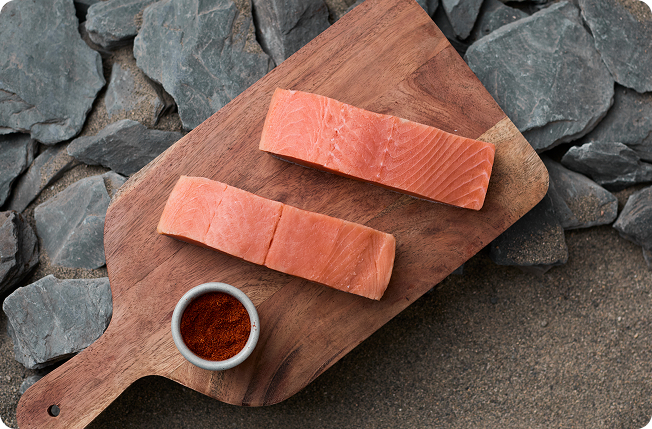
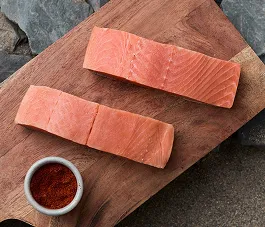
sockeye salmon fillets on wood board
Deep Red Color
Bold Flavor

Sockeye Salmon

Known as "red salmon" for its stunning deep crimson flesh, sockeye is prized by seafood enthusiasts for its bold, full-bodied flavor that stands up to robust preparations. Its firm texture and high natural oil content make it the perfect choice for grilling and high-heat cooking methods.
Key Characteristics
Deep red color from natural diet of krill and plankton
Bold, robust, full-bodied flavor
Firm texture that holds up beautifully on the grill
Best for grilling, baking, and pan-searing
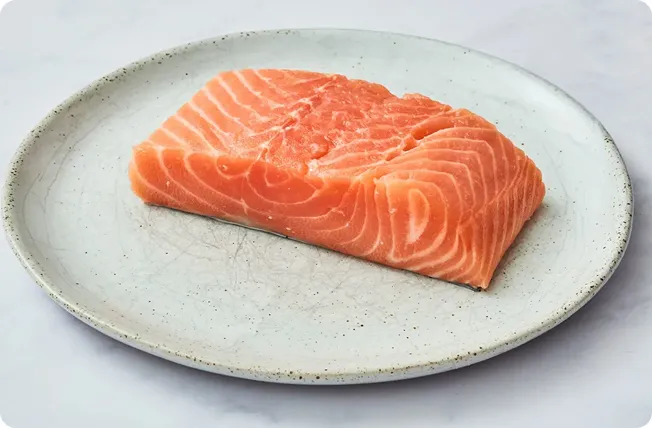
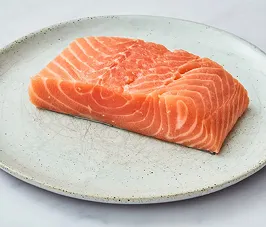
coho salmon fillets on plate
Mild Flavor
Versatile

Coho salmon

Also called "silver salmon," coho offers a milder, more approachable flavor that makes it perfect for those new to wild salmon or families with varied taste preferences. Its versatility in the kitchen and consistently excellent results make it a weeknight dinner hero.
Key Characteristics
Mild, delicate flavor that appeals to all palates
Medium firmness with excellent flake structure
Versatile — works with just about any cooking method
Slightly lighter orange-pink color
Natural protein source
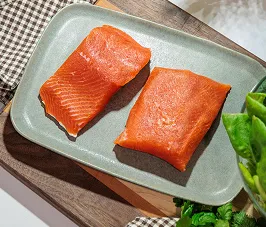
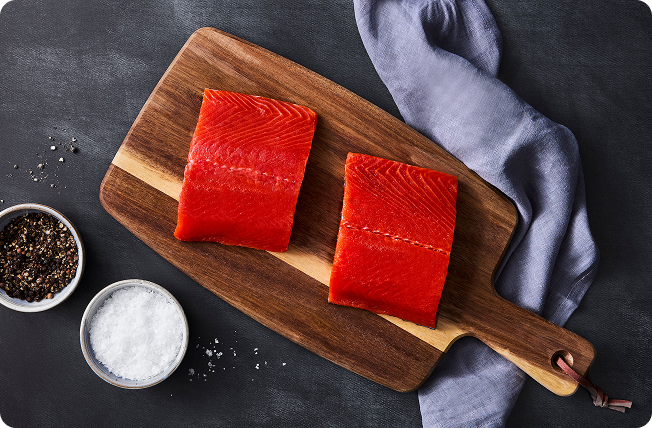
kin salmon fillets
Buttery Smooth Texture
Largest Salmon Species

King Salmon

Also known as 'Chinook,' King salmon is the largest and most sought-after Pacific salmon species. Its rich flavor profile creates a buttery, luxurious eating experience that has made it the choice of discerning seafood lovers worldwide.
Key Characteristics
Exceptional richness with a robust flavor profile
Soft, luxurious, melt-in-your-mouth texture
Delicate, complex flavor unmatched by other species
Limited seasonal availability (May–September)
Fully wild but harvested in small quantities
Prized for fine dining and special occasions
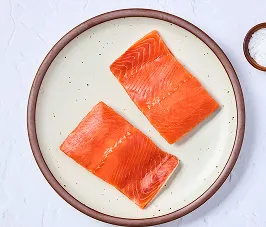
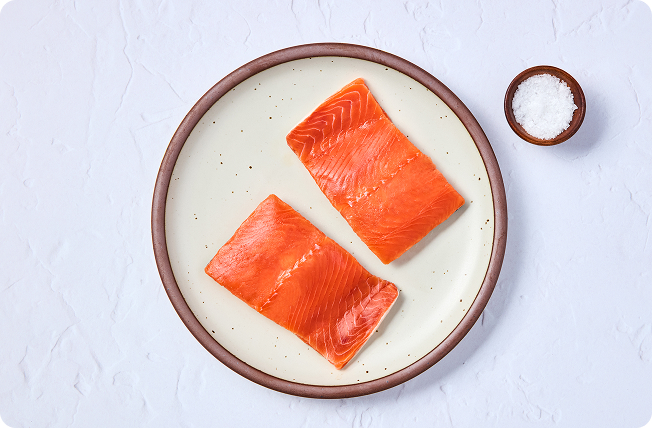
atlantic, farmed salmon on plate
Farm-Raised

Atlantic salmon

Nearly all Atlantic salmon sold today is farm-raised—wild Atlantic salmon is extremely rare due to overfishing and habitat loss. Understanding the significant differences between farmed Atlantic and wild Pacific salmon helps you make informed choices about what you put on your table.
Key Characteristics
Color typically added through synthetic astaxanthin in feed
Raised in net pens rather than open ocean
Environmental concerns from ocean pen farming
Potential exposure to antibiotics and pesticides

Taste & Texture Comparison

Understanding the differences in flavor intensity, natural oils, and cooking behavior helps you match the right salmon to your dish.
Sockeye
Flavor Intensity
Flake Structure
Firm, tight flakes
Coho
Flavor Intensity
Flake Structure
Medium, delicate flakes
King
Flavor Intensity
Flake Structure
Large, silky flakes
Atlantic
Flavor Intensity
Flake Structure
Soft, uniform flakes

Cooking Guide by Species

Each salmon variety shines with different cooking methods. Match your preparation to your fish.
Best for Grilling
Firm flesh that holds up to high heat and won't fall apart on the grill.
Sockeye
King
Use skin-side down first. Flip once. Don't overcook.
Best for Pan-Searing
Creates a beautiful crispy skin with moist, flaky interior.
Sockeye
Coho
Hot pan, cold fish. Skin-side down 70% of cook time.
Best for Beginners
Mild flavor and easy to cook — a perfect introduction to salmon.
Coho
Lean fish, quick cook. Pull it from the oven a touch early — it finishes as it rests.
Best for Special Occasions
Premium taste and presentation for memorable meals.
King
Simple preparation lets the quality shine. Minimal seasoning.
Pro Tip: Reduce Cooking Time for Perfect Salmon
Unless a recipe is written explicitly for wild-caught salmon, you should assume that it was written for farmed fillets. Ensure moist, flaky wild salmon by reducing the total cooking time.

Appearance & Color Differences

Color is one of the easiest ways to identify salmon species. Wild salmon get their vibrant hues from their natural diet, while farmed salmon's color is added.
Sockeye
Deep Ruby Red
The deepest, most vibrant red of all salmon species. This intense color comes from a diet rich in krill and plankton containing natural astaxanthin—a naturally occurring carotenoid.
100% Natural from diet
Coho
Soft Orange-Pink
A lighter, softer orange-pink hue. Coho's color reflects its varied diet and leaner profile. The subtle color pairs with its milder, more delicate flavor.
100% Natural from diet
King
Rich Coral with Marbling
King salmon tends to display more fat marbling than other wild species. The color ranges from pale coral to deep orange, with subtle marbling throughout the fillet.
100% Natural from diet
atlantic salmon
Atlantic
Uniform Pale Pink
Farmed Atlantic salmon has a uniform, pale pink color and distinctive zebra-like marbling. Without a natural diet, the color comes from synthetic astaxanthin or canthaxanthin added to their feed.
Added through feed

Wild Pacific vs Farm-Raised Atlantic

Understanding where your salmon comes from helps you make choices that are good for you and good for the planet.
Wild Pacific Salmon
Sockeye, Coho, King
Swim thousands of miles in open ocean
Natural diet of krill, plankton, and small fish
Vibrant color from natural astaxanthin
Sustainable, well-managed fisheries
Firm texture and rich flavor from life in the wild
Wild Alaskan salmon populations are carefully managed to ensure long-term sustainability.
Farm-Raised Atlantic
Commercially farmed
Fed manufactured pellets with additives
Typically raised in confined net pens
Color often added through synthetic pigments
Environmental concerns with waste & escapes
Softer texture from a less active life in pens
While farm-raised salmon is widely available, understanding the differences helps you make more informed purchasing decisions.
Choose Wild Caught Salmon

What to Choose & When

Simple, practical guidance to match the right salmon to your needs.
For Bold, Rich Flavor
Sockeye Salmon
Rich in protein and big on flavor — sockeye brings a bold, full-bodied taste to everything you make with it.
Grilling enthusiasts
Those who love bold flavor
For Everyday Versatility
Coho Salmon
Choose coho salmon for maximum flexibility. Its milder taste adapts to any cuisine or cooking method, making it perfect for weeknight dinners and family meals.
Family dinners
Picky eaters
Quick weeknight meals
First-time salmon eaters
For Special Occasions
King Salmon
Choose King Salmon for celebrations and memorable meals. Its unmatched buttery richness and the limited quantities we source from sustainable fisheries make it a true culinary experience.
Special occasions
Holidays
Fine dining at home
Understanding Atlantic
Atlantic Salmon
Atlantic Salmon is almost always farm-raised. Understanding this helps you make informed choices about sourcing, nutrition, and environmental impact.
Consider wild alternatives for better sustainability practices
Choose MY box

Why Wild Alaskan Only Offers Wild-Caught Salmon

Our commitment to quality means we only source the best wild salmon from Alaska's pristine waters.
Wild-Caught Only
Every salmon we offer is wild-caught from sustainable Alaskan fisheries. Never farmed, never compromised.
Preserved at Peak Freshness
Frozen at peak freshness shortly after being caught.
No Additives Ever
Pure, wild salmon. No color enhancers, no preservatives, no mysterious ingredients. Just fish.
Sustainable Fisheries
Committed to supporting responsible fisheries that protect wild salmon populations for generations.
Choose my box
Common Questions

Frequently Asked Questions

Everything you need to know about choosing and enjoying salmon.
What is the difference between sockeye and coho salmon?
Sockeye has a bold, robust flavor with firm texture and deep red color—ideal for grilling and everyday meals. Coho is milder and more delicate with medium firmness and lighter orange-pink color—perfect for pan-searing and family meals. Both are wild-caught Pacific salmon species.
Which salmon has the most flavor?
Sockeye salmon has the most pronounced, bold flavor of all species. Its rich, full-bodied taste comes from its natural diet of krill and plankton. King salmon offers the richest, most buttery flavor. Coho is a milder option.
Which salmon is best for beginners?
Coho salmon is the ideal starting point for those new to wild salmon. Its mild, delicate flavor is approachable, and its medium-firm texture is forgiving during cooking. Start with a simple pan-sear or bake with lemon and herbs.
Why does king salmon sometimes cost more?
King (chinook) salmon commands premium prices due to its rarity, exceptional taste, and limited availability. It's the largest Pacific salmon species and can have naturally high fat content, creating an unmatched buttery texture. Only a small percentage of the wild salmon harvest is King, making it a true delicacy.
Is Atlantic salmon wild?
No, most Atlantic salmon sold commercially is farm-raised. In many places around the world, wild Atlantic salmon populations are classified as endangered and under strict protections. When you see "Atlantic salmon" at the store, it's most likely from aquaculture operations. For truly wild salmon, look for Pacific species like sockeye, coho, or king from Alaska.
Which species cooks the fastest?
Coho and sockeye tend to cook the fastest due to their leaner profile and thinner fillets. King salmon, due to its naturally buttery, delicate texture, benefits from slightly longer, gentler cooking to avoid drying out the exterior.
Which salmon is best for grilling?
Sockeye is the best choice for grilling. Its firm texture holds together well over high heat, and its bold flavor stands up to smoky char. King salmon also grills beautifully due to its fat content keeping it moist. Coho can be grilled with care but works better with indirect heat or a plank.
What gives wild salmon its red color?
Wild salmon get their distinctive color from astaxanthin, a naturally occurring carotenoid, found in the krill, shrimp, and plankton they eat. Sockeye has the deepest red color because its diet is particularly rich in these carotenoids. In contrast, farmed salmon's color often comes from synthetic additives in their feed.

Ready to Taste the wild Difference?